

Science that reflects nature's wisdom: how cellular integrity holds the terrain together
The science begins with the integrity of your body's barriers — the gut, sinuses, and skin. Keeping cells connected keeps those barriers intact, setting the terrain for a seamless exchange between you and your microbiome.

Rather than force a response, the signaling molecules amplify the cell's own communication — an adaptation appropriate to its environment. This is what we mean by the intelligence of nature.
Tight-junction seals keep toxins out while letting nutrients in.
Redox signaling — a fluency of electrons cells read as instructions.
Reinforced integrity is the ground a microbiome needs to diversify.
The suite is founded on a single principle: let the intelligence of nature lead the way. Science is the process by which we honor it — astute observation of the natural world, followed by rigorous testing of the evidence it offers.
The mechanism lies in strengthening the cellular integrity of the body's barriers — not only the gut, but the sinuses and skin as well. Keeping cells connected keeps those barriers intact.
That intact barrier sets the stage — the terrain — for a seamless interaction between you and your microbiome. Nature holds the answers; the work is to shed light on her wisdom.
What follows traces that mechanism in three movements — connection, communication, and the spark that ties them together.

Fig. 2 — Tight junctions as intelligent gatekeepers at the gut, skin, and sinus barrier.
The foundation of the science is tight-junction integrity. Tight junctions are the seals between your cells that create defensive barriers at the gut, skin, and sinuses. They act intelligently — keeping toxins and foreign particles out of the bloodstream while allowing nutrients to enter.
These seals are protected by the carbon and mineral metabolites of bacterial digestion — a reminder that barrier health is inseparable from the microbial community it houses.
Tight-junction barriers can be degraded by gluten, by glyphosate — the main chemical in commercial herbicides — and by other environmental insults. The blend has been shown to promote the strengthening of this barrier through redox signaling, even in the face of those insults.
Redox signaling is perhaps the most complex aspect of the science — and yet, at its core, it is simply how your cells communicate. It is a fundamental network, a fluency of electrons moving in lightning-fast patterns through the cell.
Mitochondria generate redox signals as they create the electrical power that fuels biology. Cells monitor these signals as sets of instructions. Reactive oxygen species (ROS) — natural byproducts of cellular metabolism — are also fundamental, working in two ways: promoting the signaling that maintains physiological function, and, in excess, causing oxidative stress.
A good balance is ultimately the goal. The blend fosters communication within your unique system, helping to promote that balance.
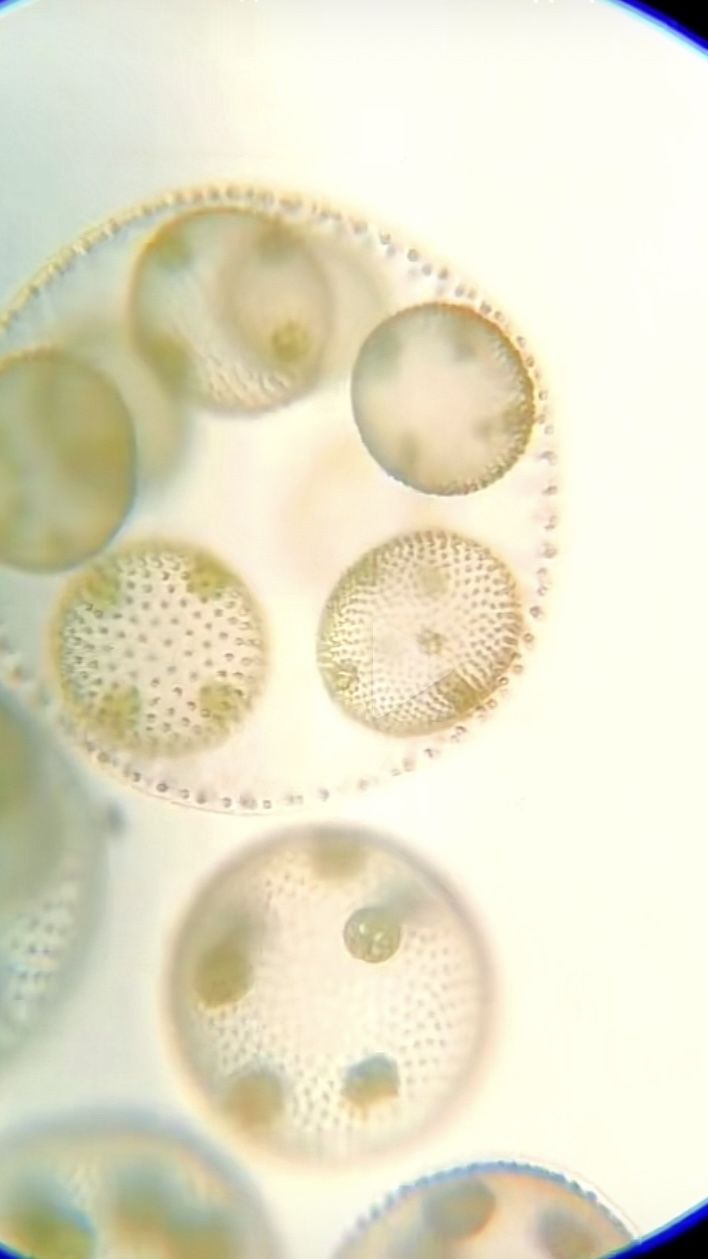
Fig. 3 — Redox signaling. Mitochondria emit electron patterns that cells read as instructions.
Terrahydrite® functions as a signal, not a nutrient — selectively inducing the appropriate modulation of ROS depending on the condition of the cell.
In healthy cells it helps reduce ROS, indicating greater efficiency in energy production. In cells that need immune intervention or repair, it increases ROS. Rather than forcing a response at the cellular level, the signaling molecules amplify the cell's own communication pathways — producing an adaptation appropriate to the intracellular and extracellular environment.
But how? The ancient soil from which the blend is derived contains the same redox signaling molecules naturally produced by your own bacteria. These bacterial metabolites reinforce a communication network that already exists within you.
By supporting a beneficial shift in bacterial composition, the blend cultivates microbes that reinforce cellular integrity — and by reinforcing integrity, it strengthens the terrain upon which the microbiome resides, further promoting its ability to diversify and thrive. Symbiosis.
In a double-blind, placebo-controlled trial, a two-week course reduced three key markers in adult humans — with no change to diet or exercise behavior.
Reduced zonulin may be due in part to upregulation of the enzyme DPP4 by intestinal epithelial cells, which would prevent the production of, and accelerate the removal of, zonulin in the pericellular space.
Reduced glyphosate likely reflects strengthened tight-junction integrity keeping toxins out of the immune and vascular systems; reduced IL-6 could follow from that diminished antigen presentation.

Much of the foundational science applies to the skin, but other mechanisms are at play. The skin formulation is specially tuned to work with keratinocytes — the primary cells forming your skin barrier. TEER, the measure of cellular integrity, rises significantly in skin cells under this formulation.
Sun exposure forms reactive oxygen species on the skin; too much intense UV damages cells. Whether ROS signal or damage depends on a delicate balance — and the formulation helps naturally stabilize ROS production in response to UVB.
Beyond balance, antioxidants are key. Glutathione — made by your body and found in nearly every cell — neutralizes free radicals, boosts immune function, and supports detoxification.
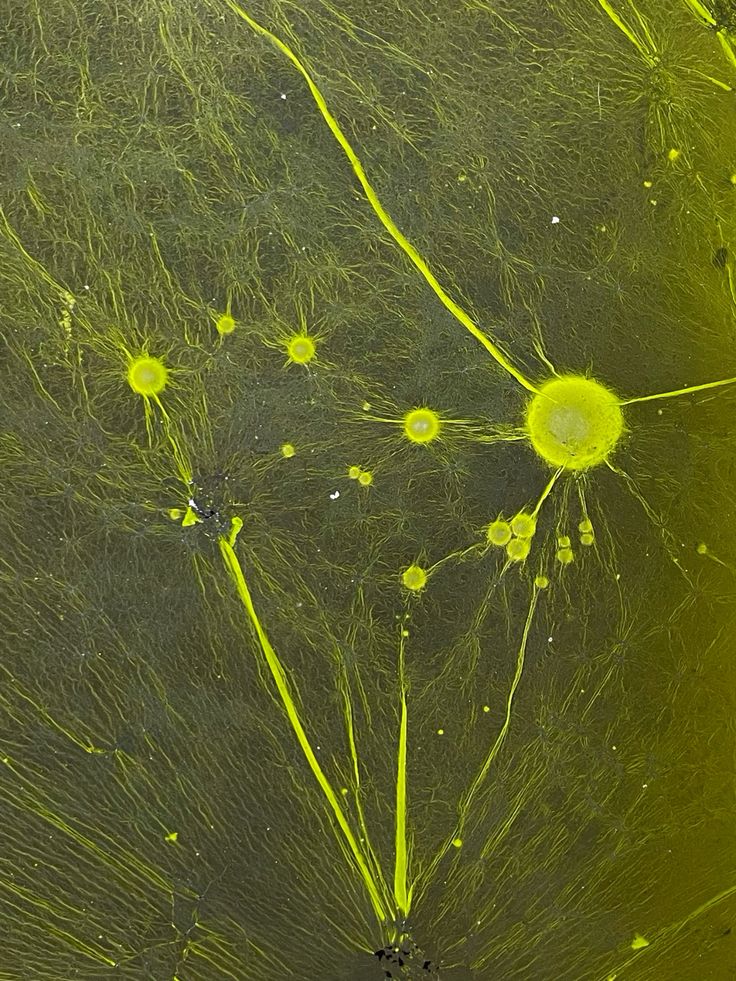
Fig. 4 — TEER increase in keratinocytes; stabilized ROS under UVB exposure.
Five downstream effects follow from a single upstream cause — stronger barriers, held together at the cell.
Your barriers know what to let in and what to ward off. Fostering tight-junction integrity strengthens that intelligent defense at a foundational level.
Roughly 70% of the body's pathogen-fighting white blood cells reside in the gut. Strong barriers displace pathogens before the immune system meets them.
Skin, gut lining, and nasal passages are terrains a microbiome depends on. Supporting cellular integrity supports microbiome health at its foundation.
Healthy membranes move minerals and nutrients across the cell, pulling in water. Stronger tight junctions mean better absorption and hydration.
Shown to support lysine production — a fundamental precursor of collagen, with reach from skin elasticity to joint and heart health.
One upstream cause, five downstream effects.
Want to dig deeper? Beyond peer-reviewed work, two foundational double-blind, placebo-controlled clinical trials demonstrate the ability to promote innate health — through lysine production and immune function.
These statements have not been evaluated by the Food and Drug Administration. This product is not intended to diagnose, treat, cure, or prevent any disease. This page is educational and not a substitute for professional medical advice.
Related papers
All writing →
Soil-derived spore formers and intestinal barrier function
A narrative review of Bacillus-class organisms and the gut–environment exchange modern life interrupted.
Read more →
Measuring intestinal permeability: a comparison of assays
Zonulin, lactulose/mannitol, or LBP — what each assay captures, and where they disagree.
Read more →
Short-chain fatty acids and the gut–brain axis
How microbial fermentation byproducts signal upward — from the colon to cognition and mood.
Read more →